Ismelda Font: Script Handwritten Style for Web Design
Ismelda Script Handwritten Fonts for High-Converting Landing Pages
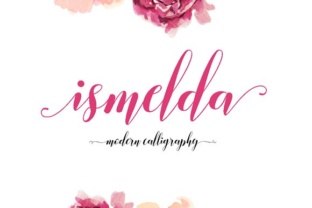
Ismelda, a distinctive script handwritten font created by Area Type, serves as a powerful typographic tool for web designers aiming to increase engagement on landing pages and sales funnels. When designing conversion-focused layouts, the choice of display typography directly influences user emotion and trust, making this specific typeface an asset for brands that rely on personal connection. Unlike standard system fonts, Ismelda introduces an organic, human element to digital interfaces that can soften the transactional nature of e-commerce or lead generation forms. For UI designers, integrating this font into hero sections creates an immediate focal point that guides scanning behavior toward primary calls to action without sacrificing legibility.
The visual rhythm of Ismelda allows it to function effectively as a headline typeface on product launch pages where brand personality must be established within seconds. Digital product creators often struggle to balance aesthetic appeal with performance, but this script handwritten style maintains clarity even when scaled for responsive breakpoints. By utilizing Ismelda in key conversion zones, such as testimonial headers or value proposition statements, designers can create a narrative flow that feels less like corporate copy and more like a direct conversation. This psychological shift is essential for coaching websites, boutique stores, and creative portfolios where the user journey depends heavily on perceived authenticity and approachability.
Implementing Ismelda in Responsive Hero Sections and Mobile Headers
Ismelda and other premium script handwritten fonts require strategic implementation in responsive hero sections to ensure readability across mobile devices and desktop screens. As a web designer, you must consider how intricate letterforms render on smaller viewports where pixel density varies significantly. This typeface excels in large-format applications, such as full-width website banners or app welcome screens, where the generous spacing and fluid strokes remain distinct. However, when adapting Ismelda for mobile navigation or compact content cards, it is crucial to test line height and tracking adjustments to prevent character collision or blurring that could degrade the user experience.
For digital experiences involving dark mode or image overlays, Ismelda provides sufficient stroke weight to maintain contrast ratios compliant with accessibility standards. Designers should pair this font with high-contrast backgrounds or subtle drop shadows when placing text over photography to preserve the integrity of the handwritten aesthetic. In responsive layouts, consider using Ismelda strictly for H1 and H2 tags while reserving simpler sans serif fonts for body copy to reduce cognitive load during scrolling. This hierarchical approach ensures that the decorative elements enhance rather than hinder navigation, allowing users to quickly identify section breaks and key information points regardless of their device orientation or screen size.
Ismelda Typography Pairings for Editorial Web Layouts and Blogs
Ismelda works best when paired with clean sans serif or geometric serif fonts to establish a professional editorial hierarchy for blogs and content-heavy websites. The inherent expressiveness of this script handwritten typeface demands a neutral partner that grounds the layout and facilitates extended reading sessions. For online magazines or lifestyle brands, combining Ismelda headlines with a robust body font like Inter, DM Sans, or Lato creates a sophisticated contrast that signals both creativity and reliability. This pairing strategy prevents visual fatigue, ensuring that the decorative font acts as a signpost rather than a barrier to content consumption.
- Hero Title + Body Copy: Use Ismelda at 4rem+ for emotional impact, paired with a 16px-18px sans serif for optimal reading comfort.
- Pull Quotes + Article Text: Apply Ismelda to highlight key takeaways or testimonials, breaking up dense text blocks with visual variety.
- Navigation Labels + Content: Avoid using script fonts for small navigation items; reserve Ismelda for logo text or primary page titles only.
- Caption Styling: Utilize alternate characters or swashes in Ismelda for image captions to add bespoke detail without overwhelming the main content.
This deliberate typographic system supports SEO-friendly content structures by clearly delineating heading levels for search engines while providing a pleasing visual cadence for human readers. By treating Ismelda as a specialized accent rather than a utility font, web designers can craft digital environments that feel curated and intentional, boosting time-on-page metrics and reducing bounce rates associated with poor readability.
Strengthening Brand Identity with Ismelda Across Digital Touchpoints
Ismelda offers a cohesive visual language for brand identity systems that span websites, social media graphics, email newsletters, and digital ad creatives. Consistency is paramount for SaaS founders and creative entrepreneurs building recognition in saturated markets, and this script handwritten font provides a unique signature that distinguishes brand assets from generic templates. When used in email marketing headers or Instagram story templates, Ismelda reinforces the tone established on the main website, creating a seamless omnichannel experience that builds familiarity and trust with the audience. The font’s handcrafted origin by Area Type imbues digital products with a sense of artisanal quality that automated or mass-market typefaces cannot replicate.
For online store owners, applying Ismelda to packaging design mockups, unboxing videos, and thank-you page graphics extends the brand experience beyond the initial purchase. This continuity transforms a simple transaction into a memorable brand interaction, encouraging customer retention and social sharing. Designers should leverage OpenType features if available, such as stylistic alternates or ligatures, to customize the appearance of Ismelda for different contexts without losing core brand recognition. Whether marking a limited-time offer banner or signing off a founder’s note, the consistent application of this typeface anchors the visual identity and communicates a commitment to detail that resonates with discerning consumers.
Commercial Licensing and Technical Specs for Ismelda Web Projects
Ismelda requires careful attention to commercial licensing and technical file formats when deploying across client websites, digital templates, and monetized platforms. Web designers must verify that the license covers all intended use cases, including webfont embedding (@font-face), app integration, and digital advertising, to avoid legal complications down the line. Area Type typically structures licenses based on scale and medium, so confirming whether a project falls under desktop, web, or app categories is essential before finalizing any production build. Proper licensing not only protects the designer and client but also supports the type foundry ecosystem that produces high-quality tools like Ismelda.
From a technical standpoint, optimizing Ismelda for web performance involves selecting modern formats like WOFF2 to minimize load times while preserving glyph fidelity. Designers should subset the font file to include only necessary characters and language sets, reducing file size and improving Core Web Vitals scores. Testing Ismelda across multiple browsers and operating systems ensures consistent rendering, as script handwritten fonts can sometimes display alignment issues in certain environments. Additionally, checking for multilingual support is vital for global brands or multilingual sites to prevent fallback fonts from disrupting the designed aesthetic. By addressing these technical and legal foundations early, digital product creators can integrate Ismelda confidently, knowing the typography will perform reliably and ethically across every touchpoint of the user journey.